Your oral health impacts far more than your smile. It influences your confidence, comfort, nutrition, and overall well-being. When you take proper care of your teeth and gums, you prevent disease, eliminate pain, strengthen your immune system, and maintain a bright, healthy smile. At Love Your Smile Dentistry, we help patients build strong oral health foundations using simple daily habits, professional care, and preventive strategies.
This complete guide explains the top ways to take care of your oral health, how your habits impact your smile, which foods help or harm your teeth, and when you should see a dentist. You will also discover how tools, lifestyle choices, and modern dentistry protect your oral health at every stage of life.
1. Why Oral Health Matters
Strong oral health creates lifelong benefits. It prevents pain, strengthens your smile, and supports your systemic health.
1.1 Oral Health Connects to Overall Health
Your mouth hosts millions of bacteria. When you maintain good oral hygiene, you keep harmful bacteria under control. Poor oral hygiene increases the risk of:
- Heart disease
- Diabetes complications
- Respiratory infections
- Chronic inflammation
- Pregnancy complications
- Low immunity
- Digestive issues
Your mouth acts as the gateway to your body. When you protect it, you protect everything else.
1.2 Strong Oral Health Prevents Pain and Expensive Treatments
Good oral care prevents:
- Cavities
- Gingivitis
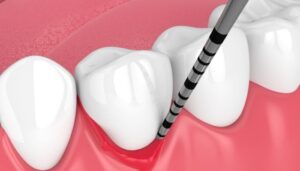
- Gum disease
- Tooth loss
- Bad breath
- Dental infections
You save money, avoid discomfort, and maintain a beautiful smile when you invest in consistent oral care.
2. Daily Oral Hygiene Habits That Protect Your Smile
Your daily routine plays the biggest role in your oral health. Simple habits create major long-term benefits.
2.1 Brush Twice a Day with the Right Technique
You must brush for two minutes twice daily. Hold the brush at a 45-degree angle and clean every surface. Use fluoride toothpaste to strengthen your enamel and prevent cavities. Replace your toothbrush every 3 months or after an illness.
2.2 Floss Every Day
Flossing removes plaque and food between teeth—places your toothbrush cannot reach. When you floss daily, you prevent gum disease, tooth decay, and bad breath.
2.3 Use Mouthwash
Antibacterial mouthwash reduces bacteria, freshens your breath, and strengthens your gums. Fluoride rinses protect enamel and reduce sensitivity.
2.4 Clean Your Tongue
Your tongue traps bacteria and food debris. Use a tongue scraper or brush your tongue daily to reduce bad breath and promote a cleaner mouth.
3. Diet & Lifestyle Choices That Strengthen Oral Health
Your daily food and lifestyle habits directly affect your teeth and gums.
3.1 Limit Sugar & Acidic Foods
Sugar fuels bacteria that cause plaque and cavities. Acidic foods erode enamel. Reduce:
- Soda
- Candy
- Citrus
- Alcohol
- Energy drinks
Rinse your mouth with water after consuming them.
3.2 Eat Teeth-Friendly Foods
Choose foods that naturally clean and protect your teeth:
- Crunchy fruits (apples, pears)
- Leafy greens
- Milk, cheese, and yogurt
- Almonds
- Eggs
- Carrots and celery
These foods strengthen enamel, increase saliva, and reduce plaque buildup.
3.3 Stay Hydrated
Water boosts saliva production, which protects your teeth from decay. Drink water throughout the day to flush away acids and food particles.
3.4 Avoid Tobacco & Excess Alcohol
Tobacco increases the risk of gum disease, cancer, and severe staining. Alcohol dries your mouth and weakens enamel. Eliminating tobacco and reducing alcohol use protects your oral health significantly.
4. Professional Dental Care You Should Prioritize
Your dentist plays an essential role in long-term oral health.
4.1 Schedule Regular Dental Check-Ups
Visit Love Your Smile Dentistry every six months. Routine visits allow your dentist to detect early signs of cavities, gum disease, oral cancer, and bite problems.
4.2 Get Professional Cleanings
Cleanings remove plaque and tartar that brushing cannot eliminate. Professional cleanings brighten your teeth and reduce your risk of gum disease.
4.3 Preventive Dental Treatments
Several preventive treatments protect your oral health:
- Fluoride treatments
- Dental sealants
- Early cavity detection
- Bite evaluations
- Gum health assessments
Preventive care saves your natural teeth and keeps your smile healthy for life.
5. Preventive Oral Care Strategies for Long-Term Health
Develop habits that block oral health issues before they begin.
5.1 Replace Toothbrushes Regularly
Replace your toothbrush every 3–4 months. Once the bristles weaken, they stop cleaning effectively.
5.2 Wear Mouthguards
A nightguard protects you from grinding or clenching. A sports guard protects your teeth during physical activity.
5.3 Pay Attention to Symptoms
Visit your dentist immediately if you notice:
- Bleeding gums
- Persistent bad breath
- Sensitivity
- Pain
- Cracks or chips
- Swelling
- Loose teeth
Early treatment prevents complications.
6. Essential Tools & Products for Excellent Oral Health
Using the right tools improves your oral hygiene drastically.
6.1 Electric Toothbrush vs. Manual
Electric toothbrushes offer superior cleaning through consistent motion and built-in timers.
6.2 Different Floss Types
Choose the floss that works best for your mouth:
- Waxed
- Unwaxed
- Water flossers
- Floss picks
- Interdental brushes
6.3 Mouthwash Options
- Antibacterial mouthwash for gum health
- Fluoride mouthwash for enamel strength
- Alcohol-free mouthwash for sensitive gums
6.4 Interdental Brushes
These thin brushes clean between wider gaps and help patients with braces or implants.
7. Oral Care for Kids, Teens, Adults, and Seniors
Different ages require different oral care strategies.
7.1 Kids
Kids need:
- Supervised brushing
- Gentle toothpaste
- Sealants
- Fluoride treatments
- Early cavity prevention
7.2 Teens
Teens often need:
- Braces or orthodontic care
- Mouthguards for sports
- Education on sugary snacks
7.3 Adults
Adults should prioritize:
- Regular cleanings
- Whitening
- Stress and grinding management
- Healthy eating
7.4 Seniors
Seniors need support with:
- Dry mouth
- Denture care
- Dental implants
- Gum health maintenance
8. Myths vs. Facts About Oral Health
Many people follow incorrect advice. Let’s clear the confusion.
Myth 1: Hard brushing cleans better.
Fact: Hard brushing damages enamel and gums. Gentle brushing works best.
Myth 2: You don’t need to floss daily.
Fact: Flossing removes plaque that your toothbrush cannot reach.
Myth 3: Baby teeth don’t matter.
Fact: Baby teeth guide the placement of permanent teeth.
Myth 4: Whitening harms teeth.
Fact: Professional whitening remains safe when performed correctly.
9. Natural Home Remedies That Support Oral Health
These natural solutions complement—not replace—professional care.
9.1 Oil Pulling
Oil pulling reduces bacteria and supports gum health.
9.2 Saltwater Rinsing
Saltwater reduces inflammation, soothes gums, and cleans the mouth.
9.3 Managing Stress to Reduce Grinding
Stress reduction techniques like meditation, exercise, and therapy help prevent nighttime grinding.
10. The Role of Oral Surgery in Maintaining Good Oral Health
Oral surgery plays a crucial role in preserving your long-term dental health. When certain conditions cannot be treated with general dentistry alone, oral surgery restores function, eliminates pain, and prevents future complications.
At Love Your Smile Dentistry, we offer safe and comfortable oral surgical procedures such as:
- Tooth extractions
- Wisdom teeth removal
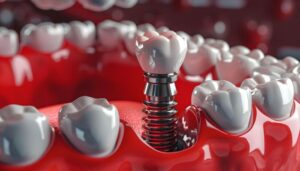
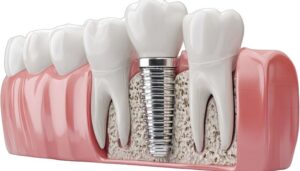
- Dental implant placement
- Bone grafting
- Treatment for severe infections
Oral surgery solves problems that threaten your oral health. It preserves natural bone, restores lost teeth, and creates a strong foundation for long-lasting dental health. When you address complex issues early, you maintain a healthier smile and prevent serious dental or systemic problems.
11. How to Build a Long-Term Oral Health Routine
You maintain strong oral health when you follow a consistent plan.
Daily Routine
- Brush
- Floss
- Mouthwash
- Healthy eating
Monthly Routine
- Replace toothbrush
- Check for any early symptoms
Yearly Routine
- Two dental check-ups
- Two professional cleanings
- Routine X-rays
- Cosmetic maintenance (optional)
Consistency protects your oral health for life.
FAQs About Taking Care of Oral Health
1. What is the most important oral health habit?
Brushing twice daily and flossing every day remain the most important habits. They remove plaque, prevent gum disease, and protect your enamel.
2. How often should I visit the dentist?
Visit Love Your Smile Dentistry every six months for cleanings and check-ups. If you have gum disease or other oral issues, you may need more frequent visits.
3. How can I prevent cavities naturally?
You can prevent cavities by brushing, flossing, drinking water, using fluoride toothpaste, avoiding sugar, and maintaining a healthy diet.
4. What foods help keep teeth healthy?
Foods like apples, cheese, leafy greens, nuts, carrots, and yogurt strengthen enamel, increase saliva, and reduce plaque.
5. How do I know if I need oral surgery?
You may need oral surgery if you experience persistent pain, impacted wisdom teeth, severe decay, infection, or missing teeth. A consultation at Love Your Smile Dentistry will give you a clear diagnosis.
6. Can mouthwash replace brushing or flossing?
No. Mouthwash supports oral hygiene but never replaces brushing or flossing. It acts as an additional layer of protection.
Conclusion
When you take care of your oral health, you protect your smile, confidence, and overall well-being. The best oral health habits include daily brushing, flossing, cleanings, healthy eating, preventive treatments, and professional dental care. At Love Your Smile Dentistry, we help patients of all ages maintain strong, healthy, and beautiful smiles.
When you commit to excellent oral health habits, your smile stays bright, your teeth stay strong, and your confidence stays high. Contact us today for a consultation or dental treatment and take the first step toward better oral health.